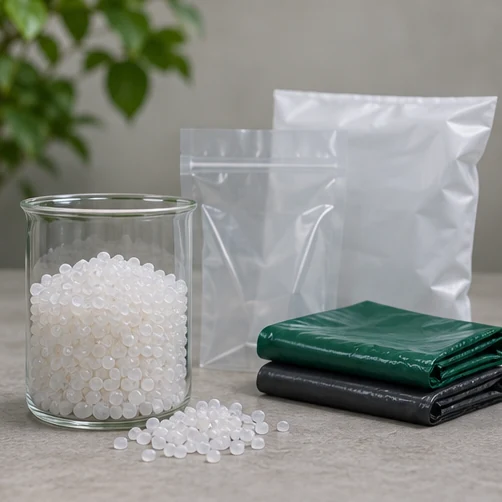
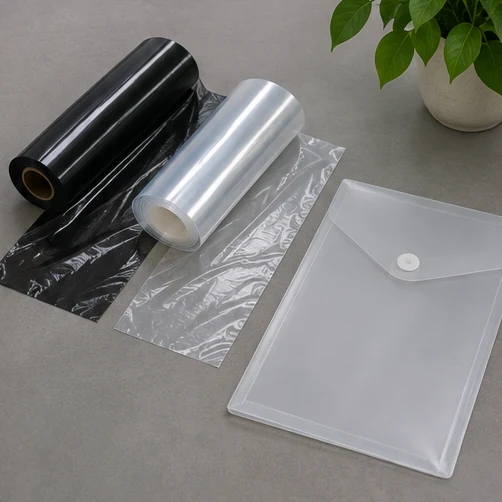
From 1 January 2027, large businesses in the UK must use the RAM 2027 recyclability assessment methodology for the household packaging they supply, under the extended producer responsibility scheme for packaging (pEPR). For bags, film and flexible plastic packaging, the default result is a red rating, the rating with the highest fees. The obligation to register and pay fees falls on businesses established in the UK, such as the importer or brand owner. Overseas suppliers should confirm their role with their customers, because the composition and design of the packaging directly affect those customers’ costs.
Key content
| Topic | Rule |
|---|---|
| Who it applies to | Large businesses within pEPR (supplying or importing more than 50 tonnes of packaging in the UK in the previous year, with global turnover above £2 million), established in the UK (including having a branch, warehouse or postal address in the UK), for household packaging and packaging commonly put in public bins |
| Period | Packaging supplied from 1 January to 31 December 2027. RAM version 1.1 is still used for 2026 |
| Rating of flexible plastic | Red by default, and currently cannot be rated green. Can move up to amber if there is evidence of collection through a qualifying take-back scheme and PackUK has been notified |
| Take-back scheme requirements | At least 75% of the population or households within 5 miles of a collection point (or a postal return service covering 75% of addresses); accepts packaging of all brands; no purchase required; the material must be traceable through 4 stages: collection, sorting, recycling and end use of the recycled material |
| Automatic red rating | For example: PFAS above 1 ppm (above 25 ppb for food packaging); food-contact packaging that does not meet UK regulations; printing inks not manufactured in line with the European Printing Ink Association (EuPIA) charter on raw material selection. Packaging that is automatically rated red is not regarded as recyclable |
| Red fee multiplier | Applied to the household packaging waste disposal fee, with amber as the base level: 1.2 (2026-2027), 1.6 (2027-2028), 2.0 (2028-2029). PackUK may adjust it on review, no later than 2028 |
| 2027 reporting deadlines | 1 October 2027 for the first half of the year, 1 April 2028 for the second half |
Fees for the 2026-2027 financial year are calculated on packaging data for 2025 supplied, so fees lag the data by about a year.
What this means for flexible plastic packaging suppliers
Unlike rigid plastic packaging, flexible packaging cannot reach a green rating under RAM 2027, even when it is made from a single type of plastic. The only way to reduce fees is to move up to amber, and this depends on the buyer’s take-back scheme. What a supplier can control is making sure the packaging is not automatically rated red because of its composition: printing inks, PFAS and food-contact documentation. Once packaging falls into this case, a take-back scheme cannot help. The fee multiplier increases over time, so UK customers are likely to ask more closely about composition when placing orders.
What suppliers should prepare
- Ask your UK customers who bears the obligation, whether the packaging counts as household packaging, and whether it must be reported under RAM.
- Prepare a composition table for each product: plastic type of each layer, inks, adhesives and additives. Customers must keep assessment evidence for 7 years.
- Review your ink sources, PFAS test results and food-contact documentation, as these are the points that cause packaging to be rated red automatically.
- In our view, when customers redesign their packaging, a mono-material PE or PP structure is an option worth discussing, to be better placed as film collection infrastructure develops. RAM 2027 does not yet rate flexible plastic by structure.
- Follow RAM in later years: the methodology is updated every year, and the way flexible plastic is rated may change.
How packaging is rated and the specific fees depend on the type of packaging and the role of each party in the supply chain.
Information checked against GOV.UK on 16 November 2026. This article is for reference only and is not legal advice.
References
- GOV.UK, RAM 2027 overview: RAM 2027 overview
- GOV.UK, materials assessment guidance: RAM 2027 materials assessment guidance
- GOV.UK, PackUK publishes RAM 2027 on 1 July 2026
- GOV.UK, recyclability-based disposal fee modulation statement: Producer disposal fees modulation statement
- GOV.UK, who must comply with packaging EPR: Check if you must comply with EPR for packaging